Every bottle tells a story.
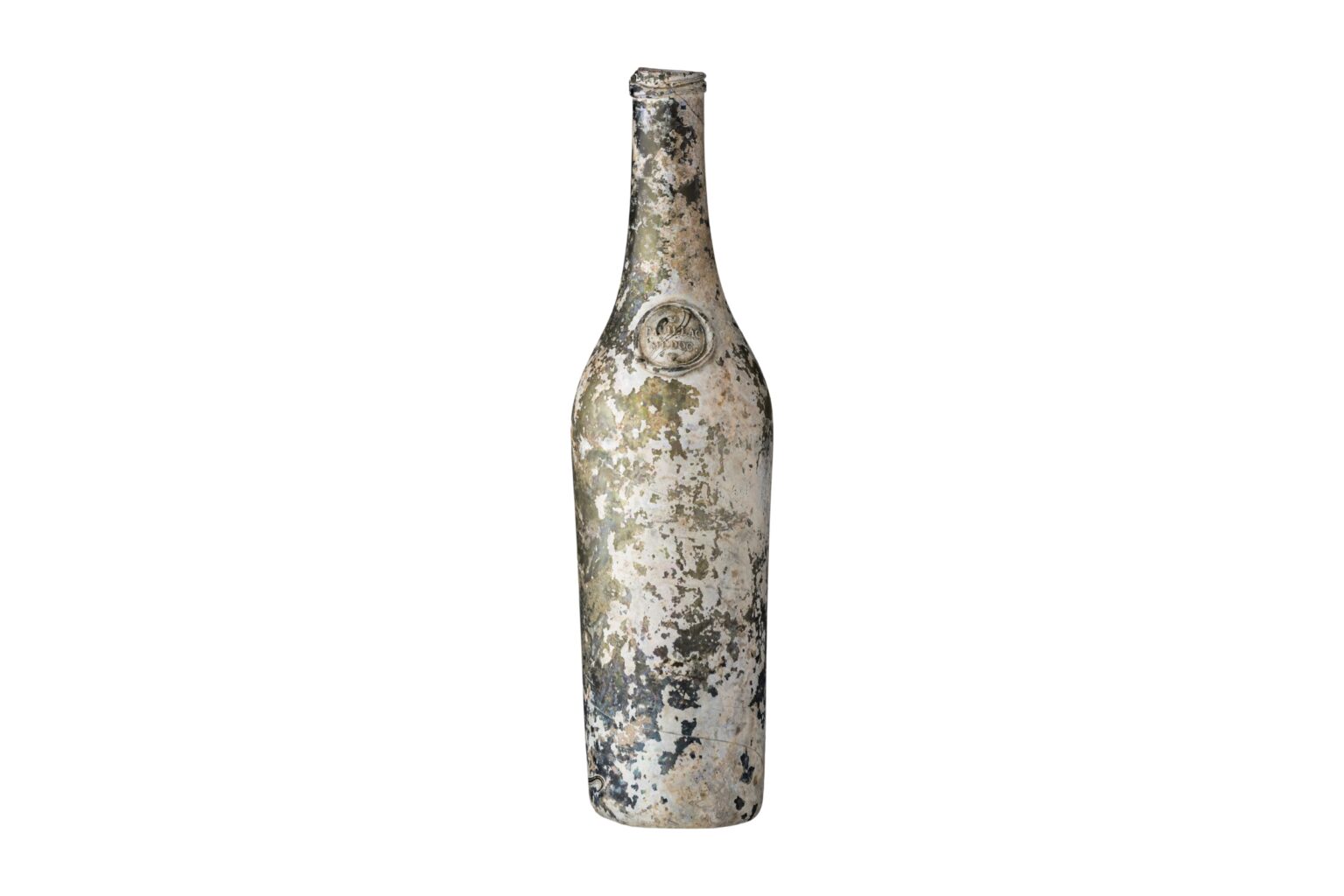
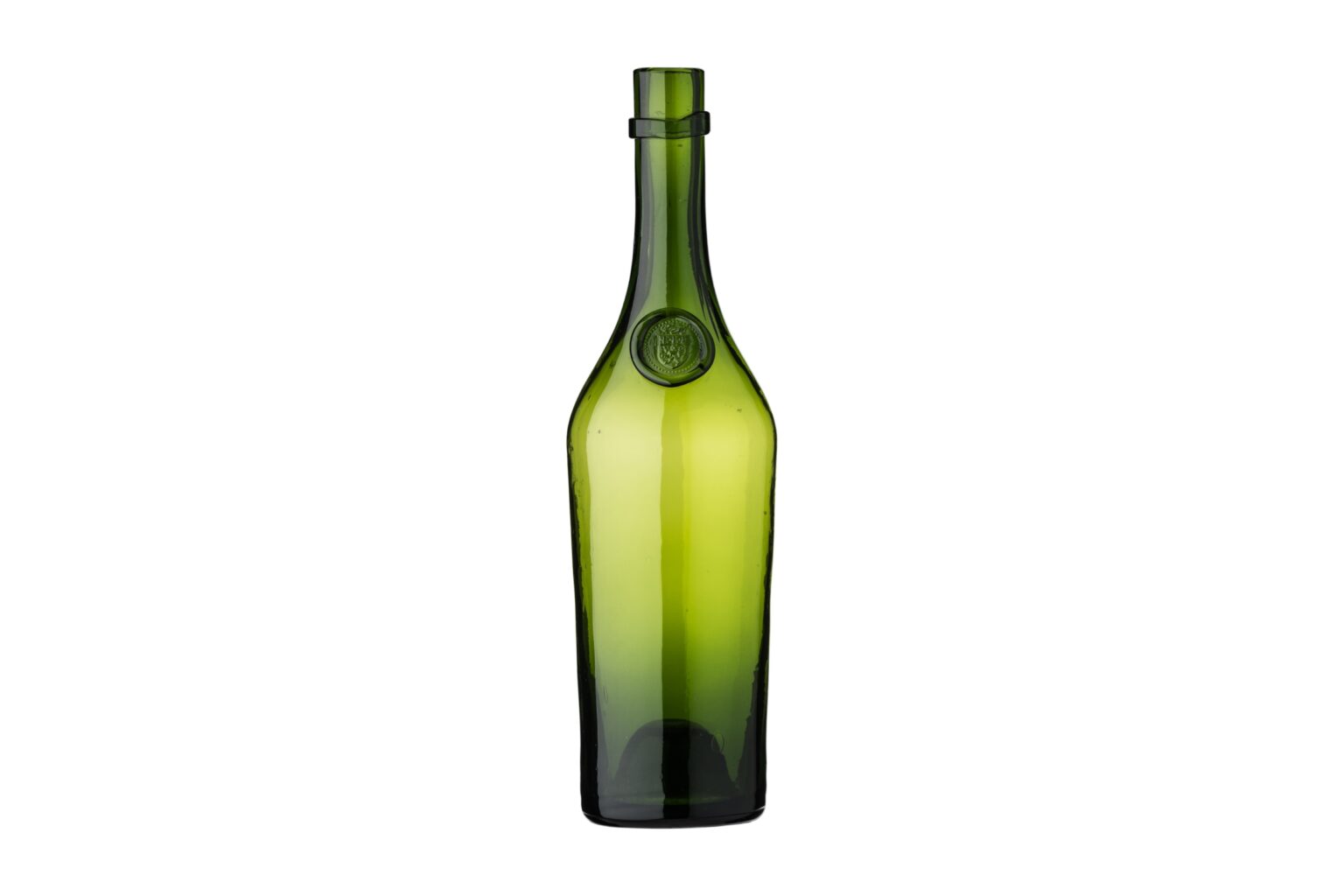
In 2010, my friend Mario Sculatti gave me an antique glass bottle recovered from a shipwreck. Weathered and pitted by time and the sea, it was believed to have survived an ill-fated eighteenth-century voyage from Pauillac, Bordeaux, a silent testament to heritage, craftsmanship, and endurance.
The moment I held it, I was struck by its extraordinary elegance: the irregular beauty of its hand-blown form, its graceful proportions, and the unmistakable presence created by centuries beneath the water. I brought it home and, with the help of MRI technology at a hospital, mapped its curves and contours. The examination revealed another unexpected detail: the bottle held approximately 700 milliliters rather than the modern standard of 750.
In 2012, I began trying to recreate its distinctive silhouette with a Bay Area glassblower, bringing together the craftsmanship of the past and the skill of the present. The attempt was ultimately unsuccessful. The subtle variations between the bottle’s neck, shoulders, and body, imperfections that gave the original its character, proved extraordinarily difficult to reproduce.
But that first attempt sparked an obsession.
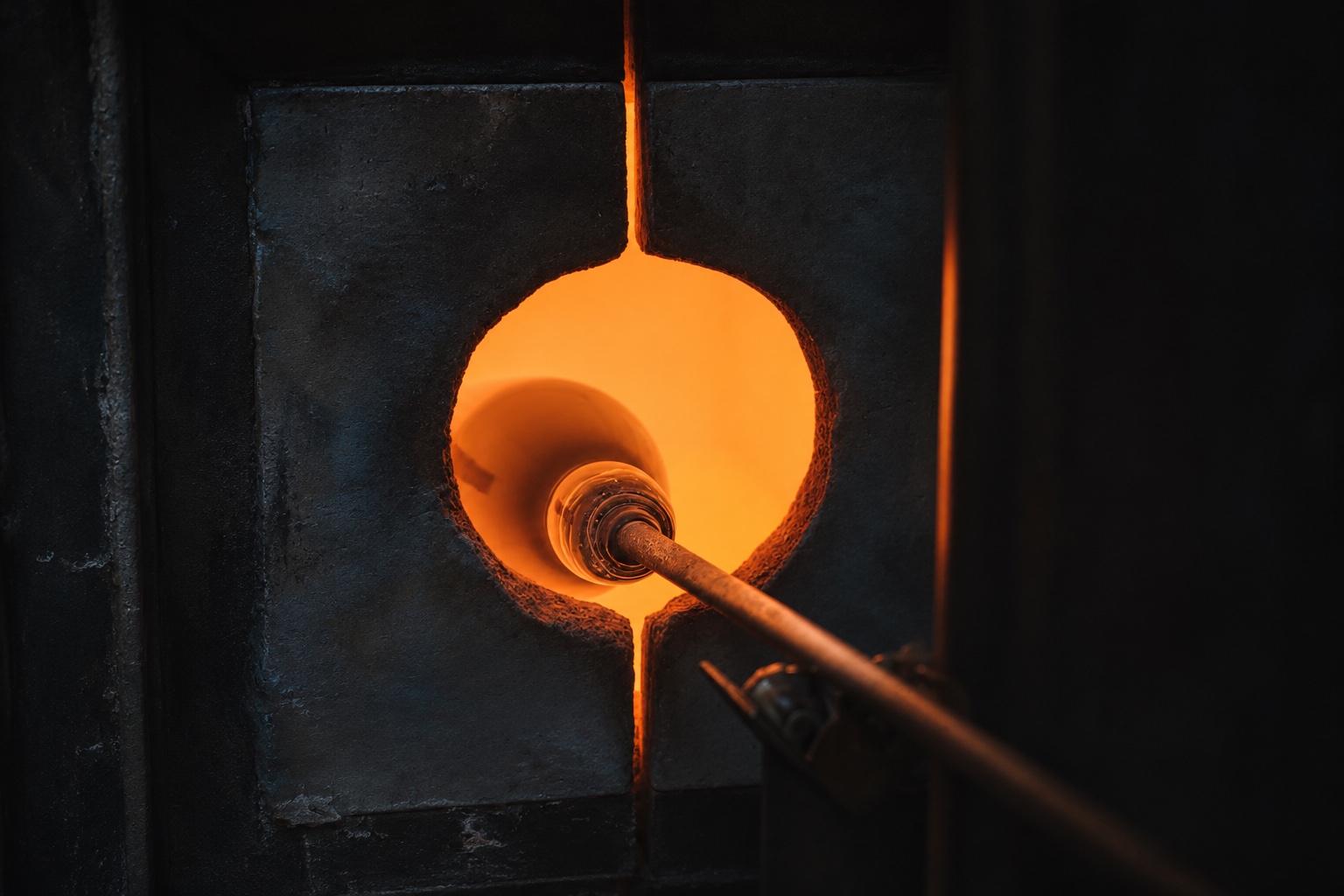
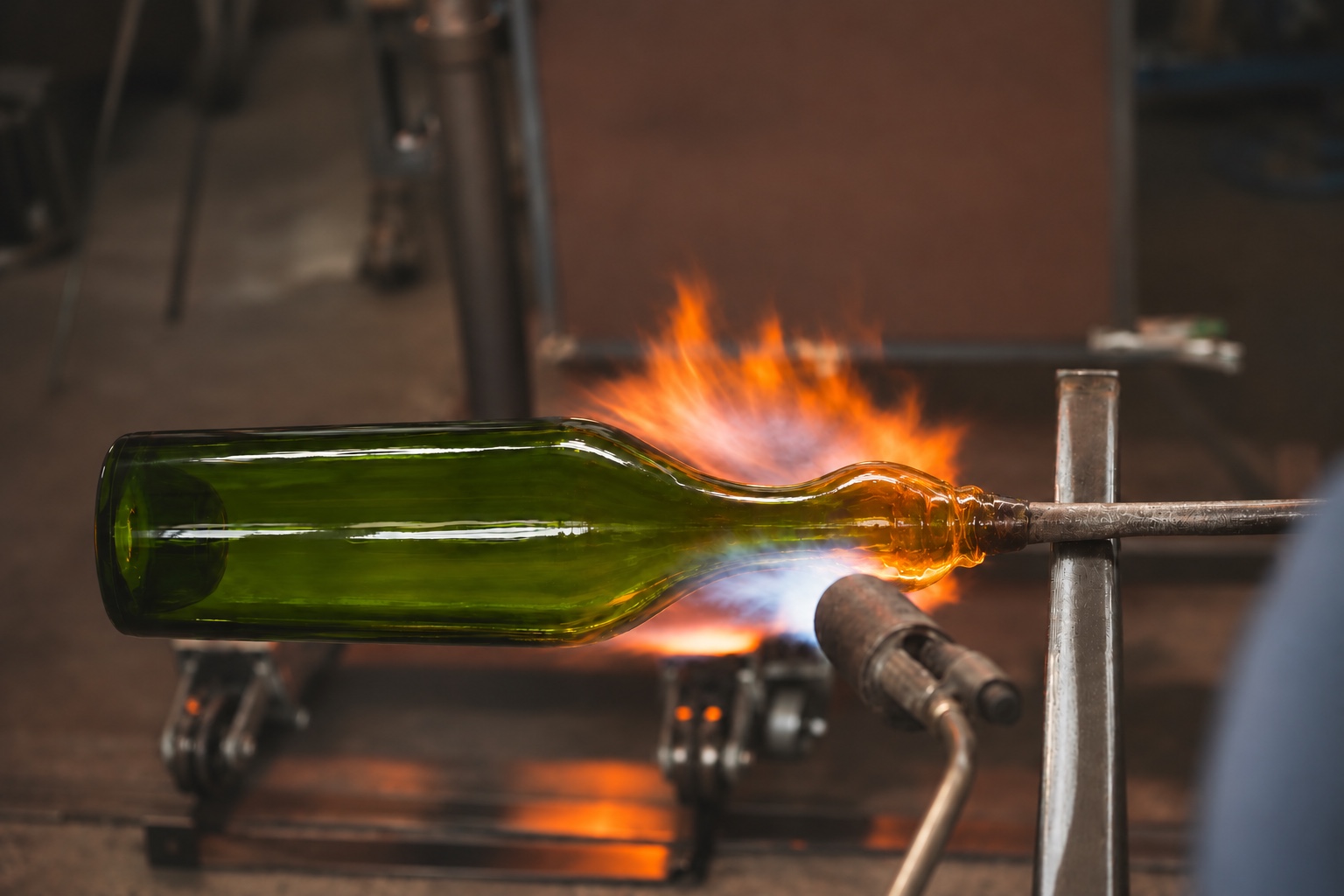
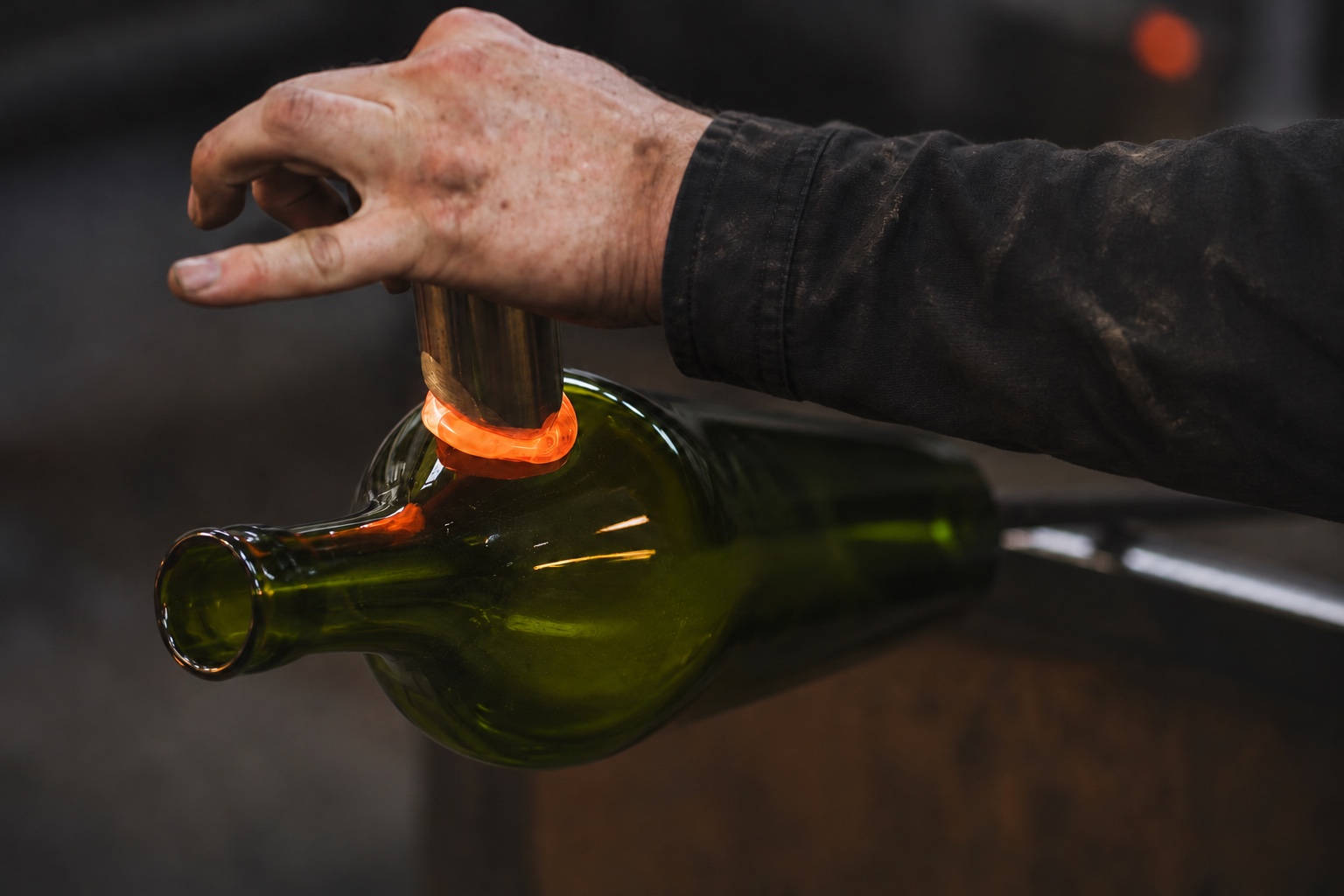
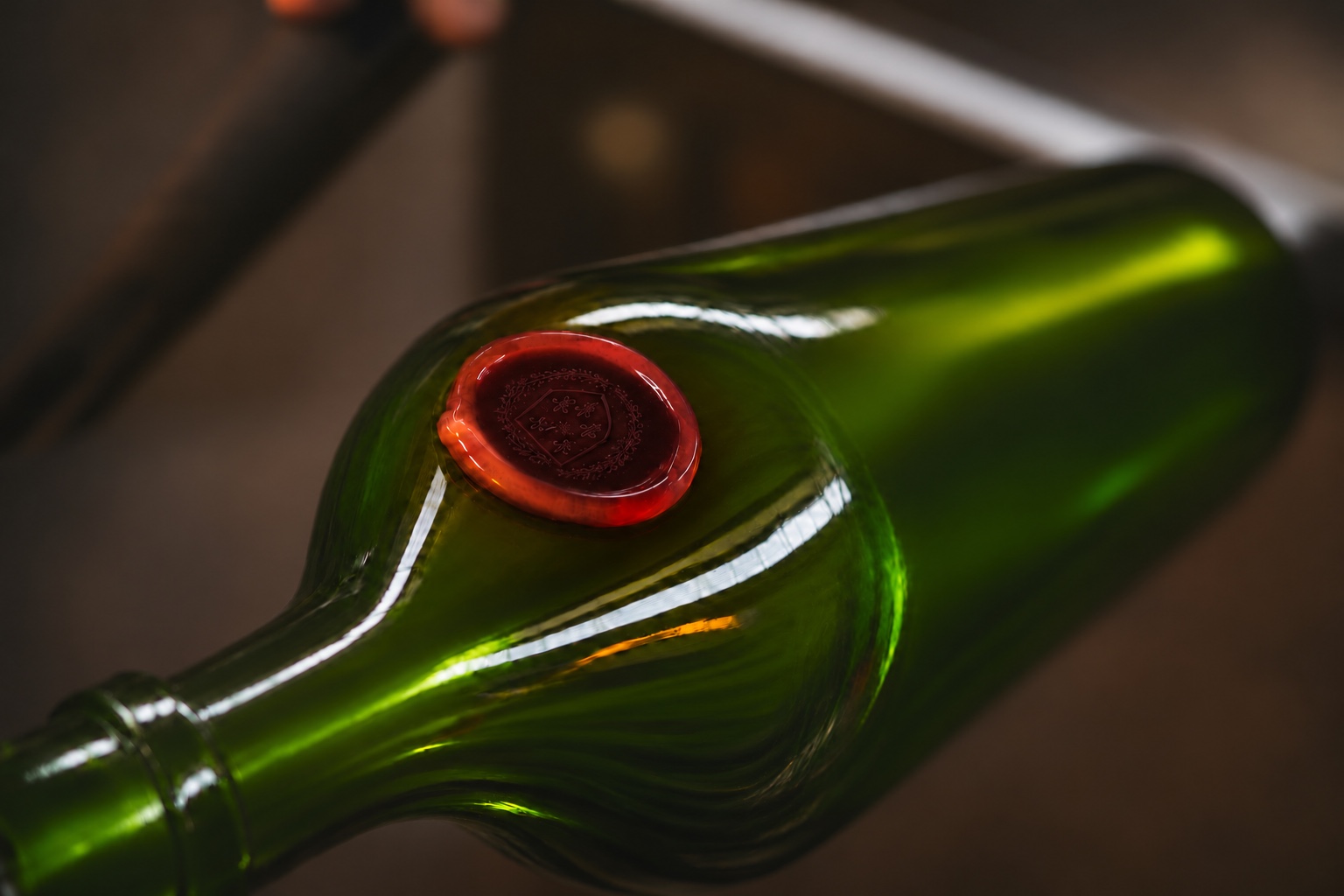
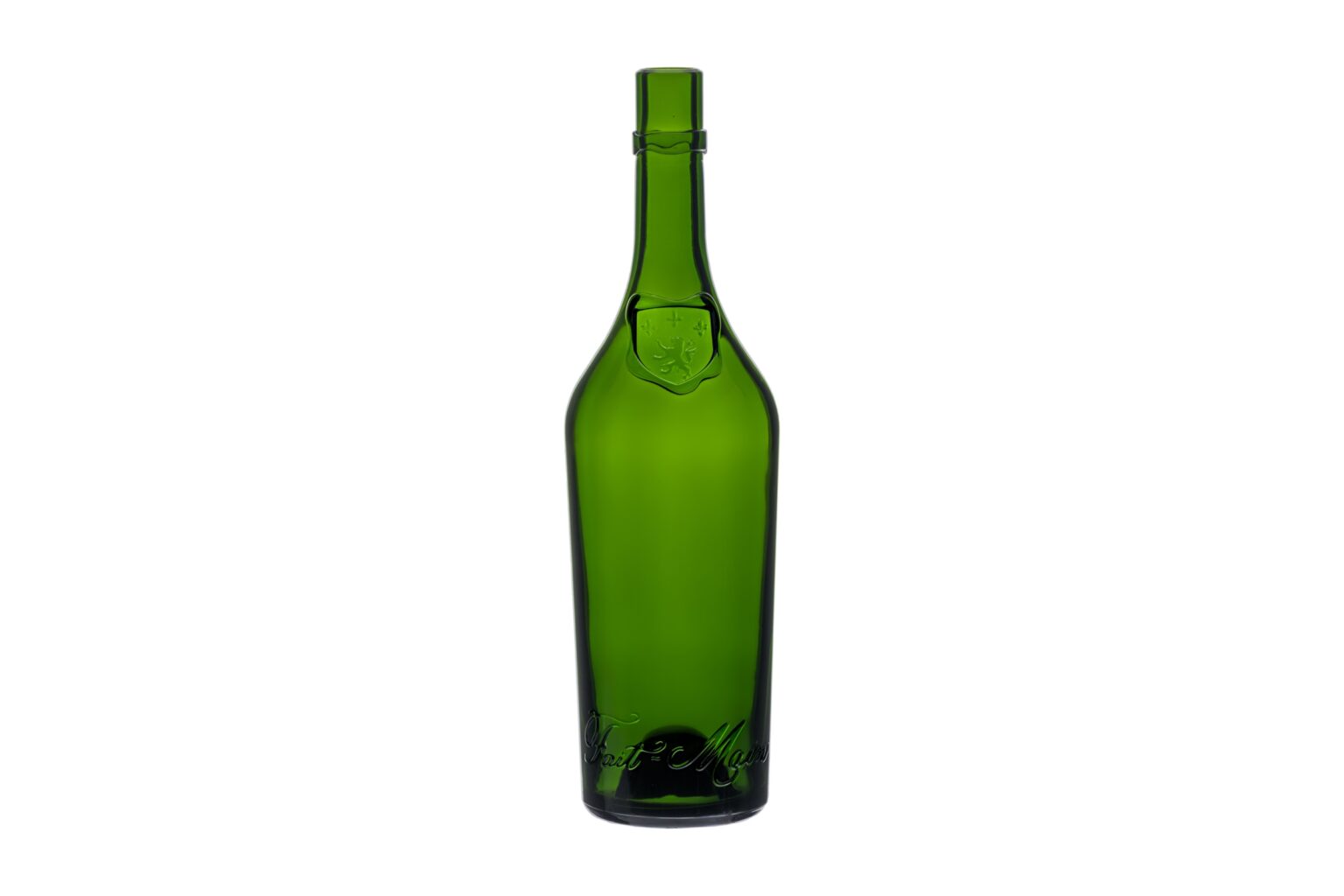
In early 2021, I returned to the idea with a new ambition: to create a bottle that would honor the shipwrecked original while becoming unmistakably Fait-Main. Perfecting its weight, balance, proportions, and structure required years of precision, patience, and countless revisions.
And because creating one custom mold was apparently not enough, we created three.
Each mold carries subtle variations in its curves and proportions, recalling the individuality of glass once shaped by hand. The differences are intentionally discreet, a detail reserved for those who look closely and know what to seek.
The result is more than a vessel. It is a tribute to craftsmanship, legacy, and the relentless pursuit of excellence, a story etched in glass, carrying forward the spirit of the eighteenth-century bottle that first captured my imagination.